
{display_name} Injury Claims Department
How to report an Injury / Accident in {display_name} in {City} located in {located_in}.
{Injured at Walmart Supercenter {display_name} in {city}, {state}? Read This Now|Hurt While Shopping Inside Walmart Supercenter {display_name} in {city}, {state}? Learn What to Do Next|Accident at Walmart Supercenter {display_name} in {city}, {state}? Here’s What You Should Know|Injured While Visiting Walmart Supercenter {display_name} in {city}, {state}? Important Details Ahead|Were You Hurt Inside Walmart Supercenter {display_name} in {city}, {state}? Don’t Miss This Guide|Suffered an Injury While Shopping at Walmart Supercenter {display_name} in {city}, {state}? Find Out What Comes Next|Accident Victim at Walmart Supercenter {display_name} in {city}, {state}? Discover Your Rights Now|Hurt While Shopping for Groceries or Household Items at Walmart Supercenter {display_name} in {city}, {state}? Read On|Injured in an Accident at Walmart Supercenter {display_name} in {city}, {state}? Here’s What You Should Do|Got Hurt Inside the Walmart Supercenter in {city}, {state}? Find Out How to Protect Yourself|Accident in the Aisles or Parking Lot of Walmart Supercenter {display_name} in {city}, {state}? Learn the Facts|Were You Injured at Your Local Walmart Supercenter in {city}, {state}? What You Need to Know|Customer or Employee Injury Inside Walmart Supercenter {display_name} in {city}, {state}? Read This Before You Act|Hurt at the Walmart Supercenter in {city}, {state}? Important Legal Info Inside|Injured While Visiting Walmart Supercenter {display_name} in {city}, {state}? Know Your Legal Options}
If you {were injured|got hurt|sustained harm|suffered a personal injury|experienced an accident|endured an incident resulting in injury|recently suffered harm|were physically hurt} {while shopping at|during a visit to|inside|on the property of|within the premises of|at your neighborhood|while spending time at|during your trip to} Walmart Supercenter {display_name}, {located at|found at|situated at|serving the community from|operating at|conveniently located at|based at} {address} in {city}, {state} {postal_code}, {including connecting areas like {located_in}|together with adjoining departments such as {located_in}|which also includes related sections like {located_in}|as well as nearby service areas such as {located_in}|and surrounding departments such as {located_in}}, you {may be eligible to file a personal injury claim|could qualify to pursue a premises liability case against Walmart|might be entitled to financial compensation under state negligence law|may have the right to bring a claim for your losses|could seek reimbursement for your medical bills, therapy, and lost income|might recover compensation for both economic and emotional damages|may hold Walmart legally responsible for negligence}. {These claims can include compensation for your hospital visits, diagnostic tests, physical therapy, and lost wages|Damages can cover everything from emergency room costs to long-term rehabilitation and reduced earning potential|Your compensation may also include pain and suffering, emotional distress, and diminished quality of life|You can seek both tangible and intangible damages for the full scope of your injury, not just out-of-pocket expenses|A properly documented claim ensures Walmart pays for the harm caused by unsafe store conditions—not you}.
Under {premises liability law|state negligence rules|applicable safety standards|personal injury statutes|the laws governing property owner responsibility}, Walmart Supercenter {owes a duty of care to all customers and employees|must provide a reasonably safe shopping environment|is legally required to inspect, clean, and maintain its store to prevent foreseeable injuries|has a responsibility to keep aisles, restrooms, and parking areas free from hazards|is obligated to warn shoppers about dangerous conditions and fix them promptly|must maintain every section—from grocery aisles to electronics—to meet basic safety standards}. {This includes properly cleaning up spills, repairing broken flooring, maintaining lighting, fixing faulty equipment, and ensuring entrances and exits remain clear|When Walmart ignores leaks, skips regular inspections, or fails to place warning cones, the chance of injury increases dramatically|Neglecting safety policies—such as leaving cluttered aisles or failing to train staff—can make Walmart legally responsible for resulting injuries|If store management overlooks or ignores hazards that should have been corrected, that negligence can become the foundation of a strong injury claim}. {If Walmart’s staff or supervisors knew—or reasonably should have known—about a hazard and failed to act, the company can be held financially liable for any resulting injuries|When Walmart’s own internal policies and video evidence reveal that conditions were neglected, victims have a strong case for compensation|Failing to act within a reasonable time frame transforms a preventable risk into a case of corporate negligence}.
{Common Accidents Inside Walmart Supercenter {display_name}|Frequent Customer Injuries Reported at Walmart Supercenter {display_name}|The Most Common Walmart Supercenter Accidents in {city}|Typical Safety Hazards at Walmart Supercenter {display_name}|Frequent Incident Types in Walmart Supercenter {display_name}|Customer Accident Trends Inside Walmart Supercenter {display_name}|Common Injury Scenarios Reported at Walmart Supercenter {display_name}|Typical Risks Shoppers Face in Walmart Supercenter {display_name}}
Customers at Walmart Supercenter {display_name} {may encounter|can face|are often exposed to|frequently deal with|sometimes experience} {a variety of|numerous|multiple|different kinds of|varied} {accidents|injury hazards|dangerous situations|unsafe conditions|preventable incidents}, such as:
Slip and Fall Accidents
{often happen due to|are typically caused by|commonly result from|can occur when there are} {spilled beverages, melting ice near freezer doors, or tracked-in rainwater at entrances|mopped floors with no caution signs, greasy residue in food aisles, or refrigeration leaks|produce mist, spilled detergents, or overfilled mop buckets left in the aisle|condensation around coolers, soapy surfaces near restrooms, or puddles near floral displays}. {These accidents can lead to sprains, fractures, or concussions|Elderly shoppers are at greater risk of hip or wrist fractures from falls|Even a single missed cleanup can result in devastating injuries}.
Trip and Fall Incidents
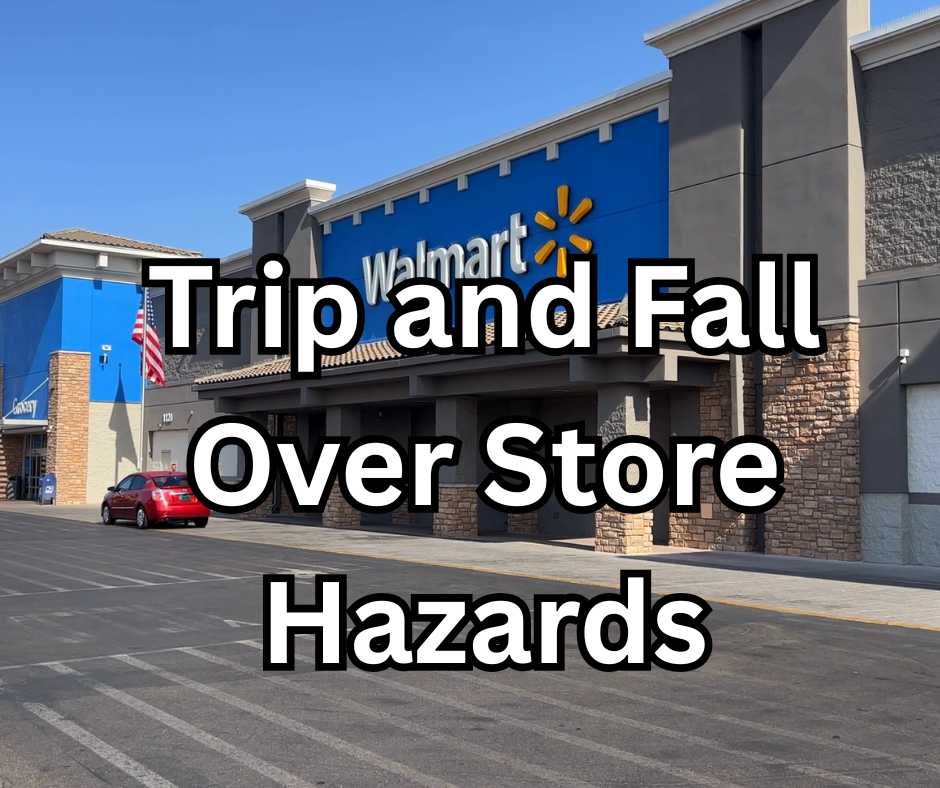
{can be caused by|often result from|frequently involve} {stock carts, boxes, or product displays blocking narrow walkways|uneven tile transitions, loose mats, or raised flooring edges|poor lighting in high-traffic areas or misplaced extension cords|restocking pallets left unattended during store hours}. {Trip hazards can lead to knee damage, back pain, or head injuries|In many cases, cluttered aisles or poor store organization create unnecessary risks}.
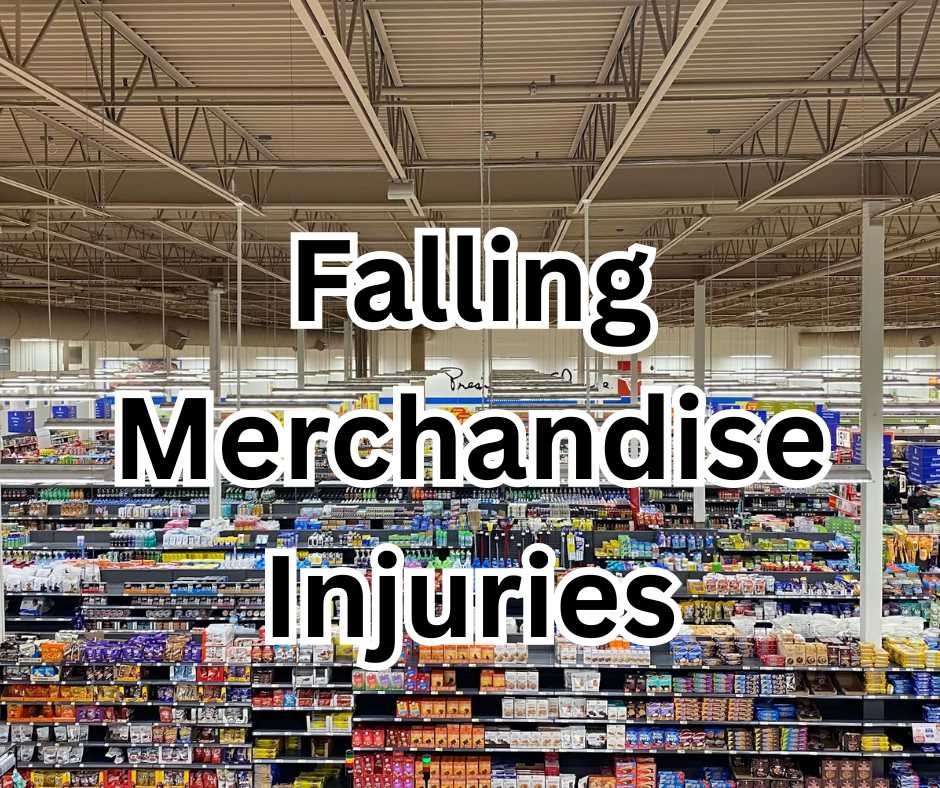
Falling Merchandise Injuries {occur when|happen if|take place when} {items are overstocked or stacked too high on shelves|large boxes, heavy goods, or cleaning products fall from top racks|temporary product displays collapse onto customers|employees attempt to restock while customers are nearby without proper safety precautions}. {These incidents frequently cause concussions, lacerations, and neck or shoulder trauma|Customers may not see hazards coming from overhead until it’s too late}.
Escalator, Elevator, and Equipment Malfunctions
{may involve|often include|can occur when} {mechanical defects or poor maintenance cause sudden stops, jolts, or entrapment|shopping carts get caught in moving parts or loose belts|handrails detach or steps break mid-use|faulty automatic doors close unexpectedly on shoppers}. {Improper maintenance logs and ignored repair schedules are common causes of these injuries}.
Refrigeration and Electrical Hazards
{are often overlooked but can include|may involve|commonly result from} {water leaks from coolers, electrical shorts in freezers, or exposed cords near checkout areas|defective wiring around frozen food aisles or poorly maintained equipment|malfunctioning temperature sensors that cause condensation puddles}. {Such hazards are preventable with regular inspections, yet they remain among the most common causes of slip and electrocution injuries in Walmart Supercenters}.
Parking Lot and Outdoor Area Accidents
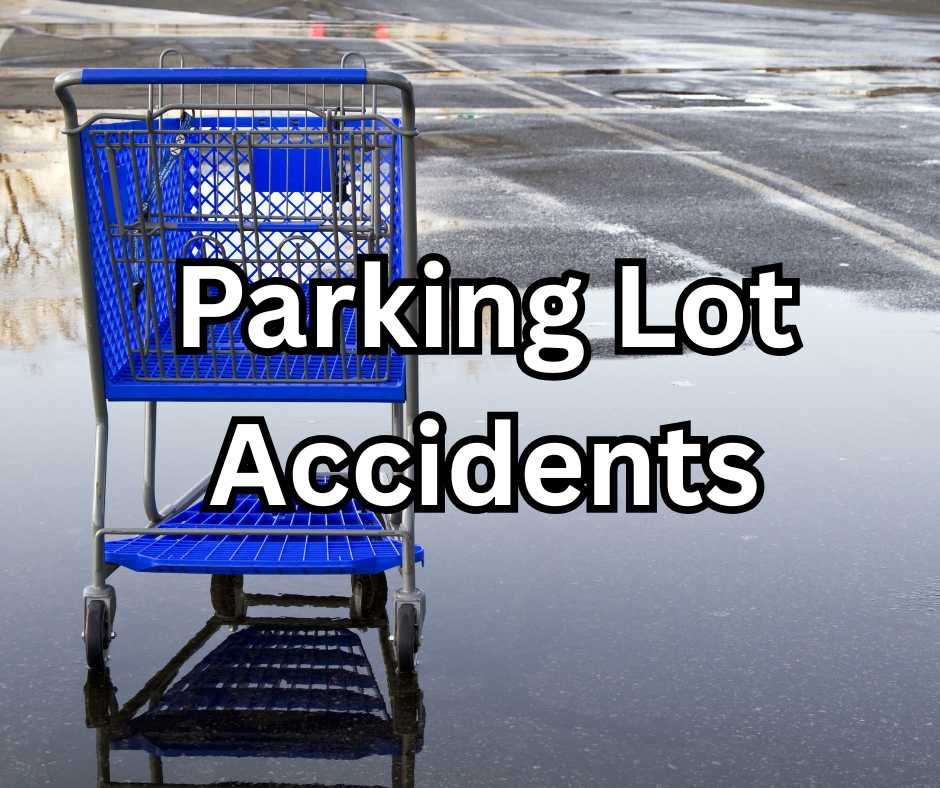
{include|can involve|often occur due to} {poor lighting, uneven pavement, or potholes near cart return zones|pedestrian accidents from distracted drivers in pickup areas|slippery oil spots or debris near the store’s exterior|failing to maintain walkways during rain or snow}. {Customers should photograph and report these hazards immediately before they’re repaired or removed}.
Negligent Security or Unsafe Conditions
{can occur when|may happen if|are reported when} {store entrances are dimly lit, security cameras malfunction, or staff are not monitoring entrances and exits|the Supercenter operates late at night with minimal staff presence or patrols|known crime patterns aren’t addressed through lighting or surveillance improvements}. {Both customers and employees are entitled to a safe environment free of foreseeable harm or criminal activity}.
Whether {your injury happened in the produce section, electronics department, or outdoor lot|you slipped in the grocery aisle or tripped by the checkout area|you were struck by falling items or hurt outside near the cart zone}, {Walmart Supercenter has a duty to protect you from foreseeable hazards|you may be eligible to pursue a premises liability claim under state law|an experienced attorney can help you hold Walmart accountable for negligence|the law allows you to recover fair compensation for injuries caused by unsafe conditions}.
{Understanding Walmart Supercenter Safety Risks|Why Walmart Supercenters Pose Unique Injury Hazards|The Bigger the Store, the Greater the Risk: Supercenter Safety Facts}
{Unlike smaller formats like Neighborhood Markets, Walmart Supercenters combine grocery, general merchandise, and large-scale storage all under one roof|Supercenters are massive, often spanning over 180,000 square feet, which increases the potential for hazards and oversight issues|Their larger size means more moving equipment, more customers, and more frequent restocking activity—all of which elevate risk levels|Because these stores operate long hours and serve thousands daily, maintenance lapses or understaffing can easily lead to unsafe conditions}.
{From slippery grocery aisles to poorly lit parking areas, the range of injury possibilities is broader than in smaller retail environments|That’s why Walmart Supercenters require vigilant management, constant inspection, and proper employee training—something not always practiced consistently across locations}.
{When these safety responsibilities are ignored, customers end up paying the price through avoidable accidents and painful recoveries}.
{display_name} - {city} Injury Claims Department Number
Type of Store: {type}
Address: {street}, {city}, {state} {postal_code}
Phone Number: {phone}
Rating: {rating} (based on {reviews} customer reviews)
Located In: {located_in}
This Walmart location {serves as|operates as|functions as|is recognized as|acts as|has become} a {busy retail hub|major shopping center|high-traffic retail destination|popular store for shoppers|central retail spot|key retail hub} in {city}, {offering a wide range of services|providing customers with many departments and services|featuring numerous in-store departments and amenities|offering everything from groceries to household goods|stocked with a broad selection of products and services|catering to thousands of shoppers with diverse services}.
With {heavy daily foot traffic|thousands of visitors every day|a constant stream of shoppers|large crowds throughout the week|steady customer volume|a high number of daily visitors}, the risk of customer injuries {is significant|remains high|is considerable|cannot be ignored|is a serious concern}, {ranging from slip and fall incidents to parking lot accidents|including everything from slips on wet floors to parking lot collisions|covering hazards such as slips, trips, falling merchandise, and accidents outside|from simple trip and fall cases to more serious parking lot injuries|which often involve slips, trips, falling objects, or crashes outside|spanning incidents inside the store to accidents in the surrounding lot}.


{What to Do After an Injury at Walmart Supercenter {display_name} in {city}|Steps You Should Take If You’re Hurt Inside Walmart Supercenter {display_name} in {city}|What to Do Right After an Accident in Walmart Supercenter {display_name} in {city}|If You’re Injured While Shopping at Walmart Supercenter {display_name} in {city}, Follow This Guide|Essential Steps to Take After Getting Hurt in Walmart Supercenter {display_name} in {city}|How to React After an Injury at Walmart Supercenter {display_name} in {city}|A Complete Shopper’s Guide After Being Hurt Inside Walmart Supercenter {display_name} in {city}|Your Step-by-Step Plan After Suffering an Injury in Walmart Supercenter {display_name} in {city}|If You Slip, Trip, or Fall at Walmart Supercenter {display_name} in {city}, Here’s What to Do|Guide for Injured Shoppers at Walmart Supercenter {display_name} in {city}|How to Protect Your Health and Legal Rights After an Injury at Walmart Supercenter {display_name} in {city}|Critical Next Steps Following a Slip, Fall, or Accident in Walmart Supercenter {display_name} in {city}|How to Handle a Personal Injury at Walmart Supercenter {display_name} in {city}|What Shoppers Should Do Right Away After an Accident at Walmart Supercenter {display_name} in {city}|Smart and Immediate Actions After Getting Hurt Inside Walmart Supercenter {display_name} in {city}}
If you {get injured|are hurt|experience an accident|sustain harm|suffer an injury|become a victim of unsafe store conditions|slip, fall, or trip while shopping} inside Walmart Supercenter {display_name} in {city}, {state}, {take immediate action to protect your health and your claim|follow these key steps to secure your evidence and safeguard your rights|act quickly and carefully—every move matters for your recovery and your case|use this practical checklist to protect your legal and medical interests|respond fast before Walmart’s team starts cleaning or documenting the area|don’t panic, just follow these proven steps to protect yourself and your potential claim}.
1. {Report the accident to management right away|Tell the first Walmart employee or supervisor you see and ask to speak to a manager|Go directly to customer service and report the incident before leaving the store|Find a floor lead or assistant manager and make sure they file an official report|Notify store management immediately and insist that the event is logged in writing|Stay calm, explain what happened clearly, and request that a written report be made}.
{This step creates the official record of your accident, which becomes vital later on|Without it, Walmart’s claims department can easily deny the event took place|A written report with date, time, and location locks in the facts and forces acknowledgment|Walmart’s in-house insurance department will rely on this document as their first piece of evidence|Having an internal record strengthens your position before any legal action even begins}.
{Always ask for a copy or take a photo of the report before leaving the store|If management refuses, note their name and position and call +1 {phone} later to confirm the report|Double-check that the report accurately describes what happened and where}.
{Reporting right away also helps ensure the hazard is documented before it’s fixed or cleaned, which may later prove negligence|Delaying this step gives Walmart’s legal team more room to dispute your claim}.
2. {Document the scene with photos and videos|Use your phone to record everything before the area is changed or cleaned|Take photos from multiple angles showing the cause of the accident and the surrounding area|Capture clear shots of the hazard, your injuries, and any nearby signs (or missing signs)|Record employees’ reactions, the condition of the floor, lighting, or obstacles around you|Include wide shots to show where you were and close-ups for details like puddles or debris}.
{Walmart Supercenters are huge, and cleanup often happens quickly once management is notified|Visual evidence taken immediately after the incident is one of the most powerful tools you have|Photos prove whether a warning cone was missing, a spill was ignored, or an aisle was cluttered|If the store later claims there was no hazard, your photos will tell a different story|Video evidence can also capture employee behavior or a lack of response after your fall}.
{Make sure your phone’s timestamp or GPS feature is on to verify when and where the images were taken|If possible, narrate what happened while you record, explaining how you were injured and what caused it|Include nearby signage, product labels, or store numbers to verify location and authenticity}.
{These images may later force Walmart’s attorneys to preserve their internal surveillance footage instead of “losing” it within days}.
3. {Seek medical care as soon as possible|Go directly to urgent care, the ER, or your personal physician|Even if you feel okay, get evaluated to rule out hidden injuries|Request a full medical assessment to document the connection between your injuries and the accident|Tell your doctor exactly how and where the accident occurred so they record it properly|Keep copies of every medical report, bill, and prescription related to the incident}.
{Getting medical attention the same day builds the strongest connection between your injury and Walmart’s negligence|If you wait, Walmart can claim your pain was unrelated or caused by something else|A doctor’s documentation serves as objective proof of injury severity and timing|Immediate care helps detect internal injuries like concussions, torn ligaments, or muscle strain|Even if symptoms seem minor, they may worsen over time and affect your compensation later}.
{Your medical reports will also form the basis for calculating damages, including pain, suffering, lost income, and ongoing therapy|Failing to see a doctor promptly is one of the biggest mistakes accident victims make}.
{Be honest and detailed with your doctor—describe every ache, bruise, and movement limitation you feel|Request copies of imaging scans, doctor notes, and prescriptions for your case file}.
4. {Collect witness information while you can|Ask anyone who saw what happened for their name and contact details|Talk to other shoppers, employees, or anyone who noticed the hazard before or after the incident|Write down phone numbers, emails, or even take a quick photo of witnesses if they agree|Independent witnesses often make or break Walmart injury claims|Don’t rely on Walmart’s own employees—they report to corporate first, not you}.
{Witnesses can confirm details like how long the hazard was there or whether staff ignored it|Neutral bystanders are especially credible and can counter Walmart’s version of events|Their statements may prove that Walmart knew about the danger and failed to act|Your attorney can later contact them for formal declarations or depositions|The more independent witnesses you have, the stronger your case becomes}.
{If a store employee was present but failed to warn you, make sure to note their name and department|Even a short note like “employee saw spill but did nothing” can later become crucial evidence}.
5. {Do not provide a recorded statement to Walmart’s insurance team|Avoid talking to Walmart’s risk management or claims department without an attorney|Never agree to a recorded phone interview about the incident|Politely decline to answer questions from Walmart’s corporate adjusters until you have legal counsel|Do not sign any forms or release statements before consulting a personal injury lawyer}.
{Walmart’s adjusters are trained to twist your words to protect corporate profits|Anything you say—no matter how innocent—can be used against you to minimize your claim|Even simple phrases like “I didn’t see it” or “I’m fine now” can damage your credibility later|Their goal is not to help you, but to limit Walmart’s financial liability|Once they record your statement, you can’t take it back}.
{An experienced attorney knows how to handle communication strategically and safely|Let your lawyer manage all discussions and negotiations with Walmart’s legal and insurance teams|With representation, you’ll never be pressured into a lowball settlement or tricked into admitting partial fault}.
{Consult a Walmart injury lawyer who understands Supercenter claims|Hire an attorney experienced with Walmart Supercenter injury and negligence cases|Reach out to a personal injury law firm familiar with Walmart’s self-insured claim system|Get legal guidance from lawyers who know Walmart’s defense tactics and corporate structure|Contact a skilled attorney who has successfully handled Walmart accident claims before}
{Walmart is a self-insured retail giant with a massive corporate defense system|Their lawyers and adjusters work together to pay as little as possible on every claim|Having your own legal team levels the playing field and ensures your rights are protected|A qualified attorney will gather evidence, handle negotiations, and fight for maximum compensation|With expert legal help, you can focus on your recovery while your lawyer deals with Walmart’s corporate pressure}.
{Why Legal Help Matters for Walmart Supercenter Injury Claims in {city}|Why Getting a Lawyer Can Completely Change Your Walmart Supercenter Injury Case in {city}|The True Power of Legal Representation in Walmart Supercenter Accident Cases in {city}|Why Professional Legal Support Is Crucial After Any Walmart Supercenter Injury in {city}|How Hiring a Lawyer Protects You from Walmart’s Corporate Risk Department in {city}|Why Victims Should Never Face Walmart Supercenter Claims Without a Lawyer in {city}|Why You Need Legal Guidance After a Slip, Trip, or Fall in Walmart Supercenter {display_name} in {city}|How an Experienced Attorney Can Hold Walmart Supercenter Accountable in {city}|Why Having a Personal Injury Lawyer Is Essential for Walmart Supercenter Victims in {city}|Why Legal Counsel Is the Smartest Move After an Accident Inside Walmart Supercenter {display_name} in {city}|The Difference a Skilled Lawyer Makes in Walmart Supercenter Injury Negotiations in {city}|Why Expert Legal Help Levels the Playing Field Against Walmart Supercenter’s Corporate Team in {city}|How a Lawyer Can Uncover Negligence and Hidden Evidence in Walmart Supercenter Injury Cases in {city}|Why Legal Assistance Is Key to Securing Full Compensation from Walmart Supercenter in {city}|Why You Should Never Talk to Walmart’s Insurance Adjusters Without a Lawyer in {city}|Why Legal Representation Gives You Control Over Your Walmart Supercenter Injury Claim in {city}|How a Knowledgeable Lawyer Prevents Walmart’s Self-Insured Team from Denying Your Claim in {city}|Why Every Walmart Supercenter Accident Victim Needs Legal Guidance in {city}|Why Legal Support Makes All the Difference After a Walmart Supercenter Slip and Fall in {city}|How Hiring an Attorney Early Protects Your Rights in Walmart Supercenter Cases in {city}|Why Legal Representation Ensures Fair Treatment from Walmart’s Corporate Lawyers in {city}|Why an Experienced Walmart Supercenter Attorney Can Maximize Your Settlement in {city}|Why Legal Help Is the Best Defense Against Walmart Supercenter’s Lowball Offers in {city}|How a Dedicated Injury Lawyer Fights Back Against Walmart’s Corporate Denials in {city}|Why a Local Personal Injury Attorney Is Vital for Walmart Supercenter Accident Victims in {city}|Why Legal Expertise Is the Most Powerful Tool Against Walmart’s Legal Department in {city}|Why You Should Always Hire an Attorney Before Filing a Walmart Supercenter Injury Claim in {city}|Why Working with a Lawyer Strengthens Your Walmart Supercenter Case from Day One in {city}|How a Skilled Attorney Ensures Walmart Supercenter Victims Get Fair Compensation in {city}|Why Legal Representation Helps You Beat Walmart Supercenter’s Self-Insurance Strategy in {city}|Why Consulting an Attorney Immediately After a Walmart Supercenter Accident Is Critical in {city}|Why Having Legal Help Can Turn a Weak Walmart Supercenter Claim into a Strong Case in {city}|Why Walmart Supercenter Victims Should Never Go Through the Claims Process Alone in {city}|How a Lawyer Experienced in Walmart Supercenter Cases Can Secure Justice in {city}|Why Legal Guidance Protects You Against Walmart Supercenter’s Internal Claims Team in {city}|Why an Injury Lawyer Is Your Strongest Ally Against Walmart Supercenter in {city}|How Legal Support Ensures Accountability for Walmart Supercenter’s Negligence in {city}|Why Hiring a Lawyer Stops Walmart Supercenter From Controlling the Narrative in {city}|Why Legal Representation Helps You Win Against Walmart Supercenter’s Corporate Legal Tactics in {city}|How an Attorney Can Force Walmart Supercenter to Release Surveillance and Internal Reports in {city}|Why Legal Expertise Is the Key to Winning Compensation from Walmart Supercenter in {city}|Why Partnering with a Lawyer Is the Smartest Move After a Walmart Supercenter Accident in {city}|Why Every Walmart Supercenter Injury Claim Deserves Experienced Legal Oversight in {city}|Why Victims Need a Lawyer Who Understands Walmart’s Corporate Claim System in {city}|How Legal Assistance Can Prevent Walmart Supercenter from Destroying Evidence in {city}|Why an Attorney Is Essential for Walmart Supercenter Victims Seeking Justice in {city}|Why Professional Legal Advice Is the Only Way to Counter Walmart Supercenter’s Defense Tactics in {city}|Why Working with a Personal Injury Lawyer Can Transform Your Walmart Supercenter Claim in {city}|Why Legal Representation Helps You Get What You Deserve After a Walmart Supercenter Injury in {city}|How Hiring a Lawyer Gives You the Upper Hand in Walmart Supercenter Settlement Negotiations in {city}|Why Walmart Supercenter Injury Victims in {city} Should Call an Attorney Immediately|How a Skilled Lawyer Protects Walmart Supercenter Victims from Corporate Manipulation in {city}|Why Legal Guidance Can Be the Deciding Factor in Winning a Walmart Supercenter Claim in {city}|How a Personal Injury Attorney Helps You Navigate Walmart Supercenter’s Complex Claims System in {city}|Why Walmart Supercenter Victims in {city} Shouldn’t Wait to Speak With a Lawyer|Why Hiring an Attorney Is the Fastest Way to Get Fair Compensation from Walmart Supercenter in {city}|Why Legal Representation Is Non-Negotiable for Walmart Supercenter Accident Victims in {city}|Why You Should Trust an Experienced Walmart Supercenter Lawyer to Handle Your Claim in {city}|Why Legal Support Is the Foundation of a Successful Walmart Supercenter Lawsuit in {city}|Why Victims in {city} Need a Lawyer Who Knows Walmart’s Self-Insurance Tactics Inside Out|Why Legal Help Empowers Walmart Supercenter Victims to Stand Up to Corporate Negligence in {city}|Why Hiring a Local Lawyer with Walmart Experience Boosts Your Chances of Winning in {city}|Why Legal Counsel Helps You Avoid Mistakes That Can Ruin a Walmart Supercenter Claim in {city}|Why Professional Representation Turns the Tables on Walmart’s Risk Management Team in {city}|How an Attorney Makes Sure Walmart Supercenter Can’t Take Advantage of You in {city}|Why Walmart Supercenter Victims Benefit from Having a Tenacious Injury Lawyer in {city}|Why Legal Guidance Is the Strongest Weapon Against Walmart’s Corporate Defense in {city}|How an Experienced Attorney Can Navigate Walmart’s Complicated Self-Insured System in {city}|Why Walmart Supercenter Injury Claims Require Aggressive Legal Representation in {city}|Why A Lawyer’s Expertise Helps Secure Justice in Walmart Supercenter Negligence Cases in {city}|Why Legal Help Ensures You Don’t Settle for Less Than You Deserve After a Walmart Supercenter Injury in {city}|Why Having a Lawyer Means Walmart Supercenter Has to Play by the Rules in {city}|Why Hiring a Law Firm Experienced in Walmart Supercenter Cases Can Change Everything in {city}|How Legal Support Ensures Every Victim Gets the Compensation They Deserve from Walmart Supercenter in {city}|Why Walmart Supercenter Victims Should Have an Attorney Who Knows How Walmart Fights Claims in {city}|Why A Lawyer Experienced in Corporate Retail Injuries Gives You a Massive Advantage in {city}|Why Legal Counsel Is Your Strongest Line of Defense Against Walmart Supercenter’s Lawyers in {city}|How Legal Assistance Protects You from Delays, Denials, and Corporate Pressure After a Walmart Supercenter Injury in {city}|Why Every Walmart Supercenter Victim in {city} Should Seek Legal Advice Before Filing a Claim}
{Walmart Supercenter operates under a unique self-insured model|Unlike smaller retail stores, Walmart Supercenter runs its own internal insurance program|Walmart Supercenter doesn’t rely on outside insurance companies but instead manages injury claims in-house|Instead of using third-party insurers, Walmart Supercenter handles all accident and liability cases through its corporate risk department|Every Walmart Supercenter in {state} processes injury claims through Walmart’s own risk management system|The Walmart Supercenter division oversees its own claims through a self-funded corporate insurance network|In {state}, Walmart Supercenter injury cases are reviewed by Walmart’s internal team, not by an independent insurer}, {meaning the same corporation responsible for your injury is also the one evaluating your claim|which allows Walmart to decide how your case is investigated, negotiated, and settled|so Walmart has full control from the initial report to the final decision on compensation|giving the company total authority over how evidence is handled, how fault is assigned, and how much is paid|ensuring the entire process is built to protect Walmart’s financial interests—not your right to recovery|so the people managing your claim ultimately work for Walmart, not for you}.
{The purpose of Walmart’s self-insured setup is simple: reduce payouts and protect corporate profits|Walmart’s internal risk team is trained to minimize compensation, not to support victims|This self-funded system is designed to limit the company’s exposure, even when customers are seriously hurt|The claims department functions more like a legal defense team than a fair insurance provider|At every Walmart Supercenter, the in-house adjusters prioritize protecting the company’s money—not the injured customer’s recovery|In {state}, this means the people reviewing your injury claim are paid by Walmart itself, creating a massive conflict of interest}.
{Here’s why having a lawyer changes everything:|Why hiring an attorney is essential after a Walmart Supercenter accident:|How legal representation levels the playing field against Walmart’s corporate machine:|Why skilled legal help gives you power in a Walmart Supercenter injury case:|How a personal injury lawyer makes all the difference when facing Walmart’s in-house team:}
{A lawyer ensures critical evidence like video footage and incident reports are preserved before Walmart deletes them|Your attorney can immediately request security footage, witness logs, and maintenance records before they disappear|Key proof such as surveillance videos, cleaning schedules, and employee statements are protected by legal demand|Walmart’s internal system regularly overwrites footage within days—but your lawyer can stop that from happening|Legal representation ensures Walmart cannot “lose” or erase evidence that could prove their negligence}. {This evidence can show how long the hazard existed, how staff responded, and whether anyone ignored it|Security footage might reveal missing wet floor signs, uncleaned spills, or unsafe stocking practices|Internal reports can expose Walmart’s failure to inspect, clean, or maintain areas properly|Without legal intervention, this evidence often disappears, making it harder to prove Walmart’s fault}. {Attorneys in {state} know exactly how to send legal preservation letters that force Walmart to keep critical video and documentation|A fast response from your lawyer can prevent Walmart from deleting evidence that proves what really happened}.
{Walmart’s defenses|The excuses Walmart Supercenter’s lawyers commonly use|The tactics Walmart’s claims team relies on|Common strategies used by Walmart Supercenter to deny fault|The defenses Walmart’s risk managers often use}, {such as claiming the hazard was “open and obvious” or that you “weren’t paying attention”|like saying you should have seen the spill, or that you walked into danger willingly|including arguments of comparative negligence or assumption of risk|often shifting blame to the customer instead of acknowledging unsafe store conditions|such as alleging that you were careless or distracted}, {can be dismantled by a skilled personal injury attorney|fall apart when confronted with preserved video and witness testimony|are easily challenged with proof of Walmart’s poor maintenance or safety violations|lose credibility when strong evidence shows Walmart failed to protect shoppers|are countered effectively through detailed documentation and legal strategy}.
{Your Walmart Supercenter injury claim|Your legal case against Walmart Supercenter|Your personal injury lawsuit in {state}|Your demand for compensation from Walmart Supercenter|Your Supercenter accident claim} {should include every form of damage—not just emergency medical bills|must account for both physical and financial harm|is meant to cover hospital care, rehabilitation, lost income, and long-term recovery|should reflect pain, suffering, emotional trauma, and future treatment needs|is designed to pursue the full compensation you legally deserve}. {With an attorney, you can recover for physical therapy, ongoing care, mobility loss, or reduced earning capacity|Your claim may also include pain and suffering, permanent disability, and emotional distress|A lawyer calculates your full damages, preventing Walmart’s adjusters from undervaluing your claim|Without representation, Walmart’s risk team might offer a settlement far below what your case is truly worth}. {An experienced attorney in {state} ensures your claim reflects every loss, both immediate and long-term|Legal representation helps you document injuries, financial strain, and future medical needs in detail|With strong legal guidance, your compensation is based on facts—not Walmart’s internal estimates}.
{Beyond building evidence and calculating damages, your lawyer shields you from Walmart’s corporate adjusters|Attorneys handle all contact with Walmart Supercenter’s risk team, protecting you from manipulation|Your lawyer stops adjusters from asking misleading questions or recording statements that hurt your claim|Legal counsel ensures Walmart’s representatives can’t pressure you into early or unfair settlements|An attorney acts as your advocate—handling communication, documentation, and negotiation so you don’t have to}.
{Facing Walmart Supercenter’s billion-dollar legal system alone is a losing battle|Walmart’s in-house insurance department exists to defend the company—not to pay victims fairly|When you hire a lawyer, you force Walmart to play by the rules and treat your case seriously|Legal representation balances the power between you and Walmart’s corporate risk machine|An attorney ensures the truth is documented, your rights are protected, and your compensation matches the harm you’ve endured|With skilled legal help, a complex, one-sided process becomes a fair and winnable fight for justice}.