
Negligent Security Incidents




Negligent Security Incidents at Walmart
Walmart welcomes more than 250 million shoppers worldwide each week, and with that sheer volume of traffic comes an unavoidable reality: accidents happen every single day. Customers slip on wet floors, get struck by falling merchandise, or are injured in busy parking lots. When these incidents occur, most shoppers assume Walmart will take responsibility. After all, it is one of the most profitable corporations in the world.
The truth is different. Walmart has an established customer injury policy that is designed to protect the company first, not the injured shopper. If you are planning to sue Walmart or even file a claim, you must understand how this policy works, how Walmart uses it to its advantage, and what steps you need to take to protect yourself after a Walmart injury.
How Walmart Handles Customer Injuries Internally
Unlike small businesses that purchase outside liability insurance, Walmart is largely self-insured. That means it manages accident claims in-house through its Claims Management Department (often called CMI). This internal system is the same structure that handles all types of Walmart injury cases, from slips to falling product injuries.
When you are injured in Walmart, the process usually looks like this:
- Incident Report
A manager or supervisor will fill out a form describing what happened, where, and when. This report may include your statement, employee comments, and sometimes even internal photographs of the scene. Learn more about what to do after an injury in Walmart to ensure your report is accurate. - Evidence Collection
Employees are trained to document hazards quickly. Walmart may pull surveillance footage, interview staff, and collect written witness statements. Importantly, all of this evidence is immediately in Walmart’s control, which is why hiring Attorney Jason Chalik early can help preserve critical proof. - Claims Department Review
The incident is sent to Walmart’s claims administrators, who evaluate the accident from a liability standpoint. Their job is not to help you recover but to limit Walmart’s financial exposure. The same process applies to injuries caused by automatic door malfunctions or defective shopping carts. - Contact with the Customer
A Walmart claims adjuster may call you within days, asking for a statement about what happened and offering to cover “reasonable” medical costs. While this may sound cooperative, it is often the first step in shaping the case against you. Do not speak to CMI before consulting with Attorney Jason Chalik or the Walmart Injury Claims Department.
This system is efficient, well-practiced, and heavily tilted in Walmart’s favor. Understanding this process — and acting quickly to protect your rights — can make the difference between a denied claim and full compensation for your injuries suffered in a Walmart store.

Why Walmart’s Policy Favors the Company
On the surface, Walmart’s injury policy looks like a straightforward procedure. But every stage is structured to protect Walmart, not the injured customer.
- Control of Evidence: Walmart owns the cameras, the incident report, and the employees who witnessed the event. They decide what to preserve and what to share. Unless a lawyer intervenes, critical footage can be overwritten in days. Hiring Attorney Jason Chalik early helps ensure vital evidence is preserved.
- Early Statements: Adjusters often push victims to give recorded statements. Casual remarks such as “I didn’t see it” or “I’m fine now” can later be used to argue the hazard was obvious or the injury minor. Learn why you should never speak to Walmart before reading what to do after a Walmart injury.
- Quick Settlements: Walmart sometimes offers small payouts quickly, before victims know the full extent of their injuries. These early offers may cover an ER visit but ignore long-term therapy, lost wages, or chronic pain from injuries such as neck and back injuries or nerve damage.
- Delay Tactics: If victims push back, Walmart often drags out the claims process, hoping financial stress will pressure them into accepting a lower settlement.
By controlling the process from the moment an accident occurs, Walmart positions itself to minimise payouts. That is why working with Attorney Jason Chalik or contacting the Walmart Injury Claims Department as soon as possible is so important.
What the Law Says About Walmart’s Responsibility
Despite its internal policy, Walmart is still bound by premises liability law. Under this legal framework:
- Customers are considered invitees, which means Walmart owes them the highest duty of care.
- Walmart must conduct regular inspections, fix hazards promptly, and warn customers of risks that cannot be immediately corrected, such as slippery floors or unstable merchandise.
- If Walmart knows about a danger (actual notice) or should have known about it through reasonable inspections (constructive notice), it is legally responsible when someone gets hurt.
Walmart’s policy does not replace the law. It simply dictates how the company responds — often in ways that conflict with its legal duty to customers.
Common Scenarios Where Walmart’s Policy Comes Into Play
- Slip and Fall on Wet Floors
You slip in a puddle near the entrance. Management creates an incident report, but unless you photograph the puddle yourself, Walmart may later claim it was cleaned before your fall. - Falling Merchandise
Boxes tumble from a high shelf and strike you. Walmart documents the event but may argue another customer caused the merchandise to fall. - Parking Lot Injury
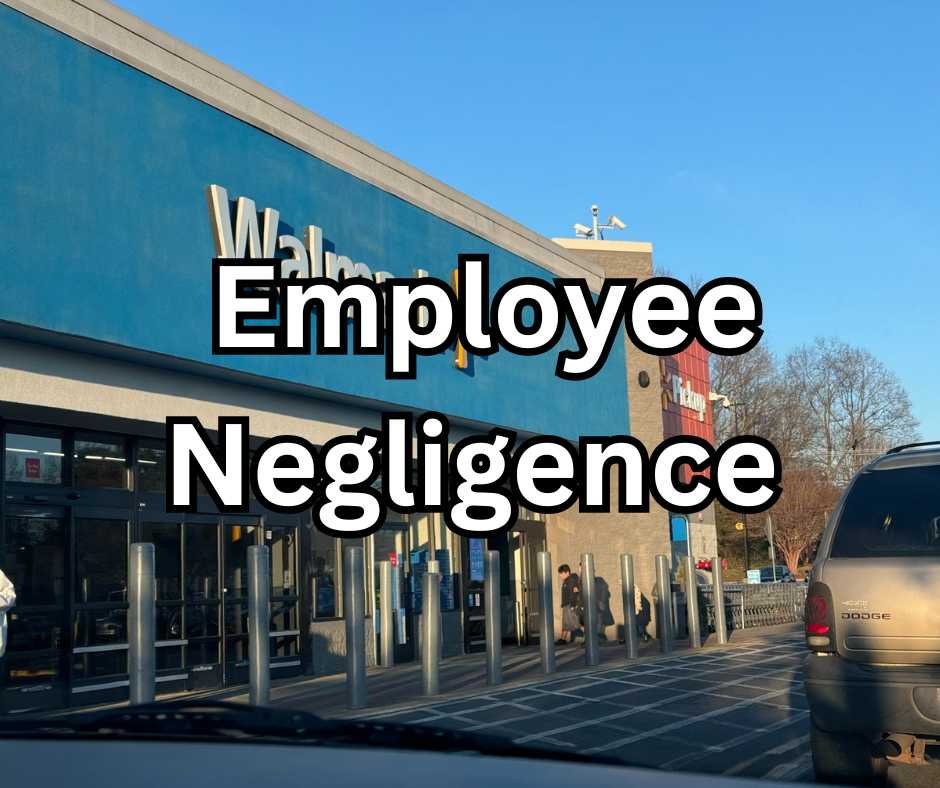
You trip in a pothole in the parking lot. Walmart may admit the hole existed but argue it was “open and obvious.” - Security-Related Assault
You are robbed in a dark Walmart parking lot. Walmart’s policy is to investigate but often deny liability, claiming the criminal act was unforeseeable.
In each of these examples, Walmart’s injury policy is focused on limiting the claim, not compensating you fairly. You can review more examples in our guide to common types of Walmart accidents.
How to Protect Yourself Against Walmart’s Policy
If you are injured in Walmart, do not rely on the company to act in your best interests. Protect yourself by taking these steps:
- Document the Scene Immediately: Take photos and videos of the hazard, your injuries, and the area. Do this before Walmart cleans or removes evidence.
- Seek Medical Treatment: Go to the ER or urgent care right away. This creates a record of your injuries tied to the date of the accident. Many victims discover conditions like head injuries and concussions hours or days later.
- Do Not Give Recorded Statements: Adjusters will try to get you on record early. Politely decline until you have legal representation.
- Preserve Damaged Property: Shoes, clothing, or personal items can serve as physical evidence.
- Contact a Lawyer Quickly: An attorney can send a preservation letter forcing Walmart to retain surveillance footage and internal documents. Without this step, crucial evidence may be lost. Attorney Jason Chalik and his team handle this process immediately for clients.
Why Legal Representation Is Essential
Taking on Walmart without a lawyer is risky. The company has decades of experience handling claims and knows how to avoid liability. A lawyer ensures you are not bullied into a low settlement and that all categories of damages are included in your claim:
- Past and future medical expenses
- Lost wages and diminished earning capacity
- Pain and suffering
- Emotional distress
- Loss of enjoyment of life
- In rare cases, punitive damages
Lawyers also know Walmart’s tactics. They anticipate defences like “open and obvious hazard” or “comparative negligence” and build evidence to counter them. You can learn how the Walmart Injury Claims Department assists victims through every stage of a claim.